Determining Correct Nordic Walking Pole Length
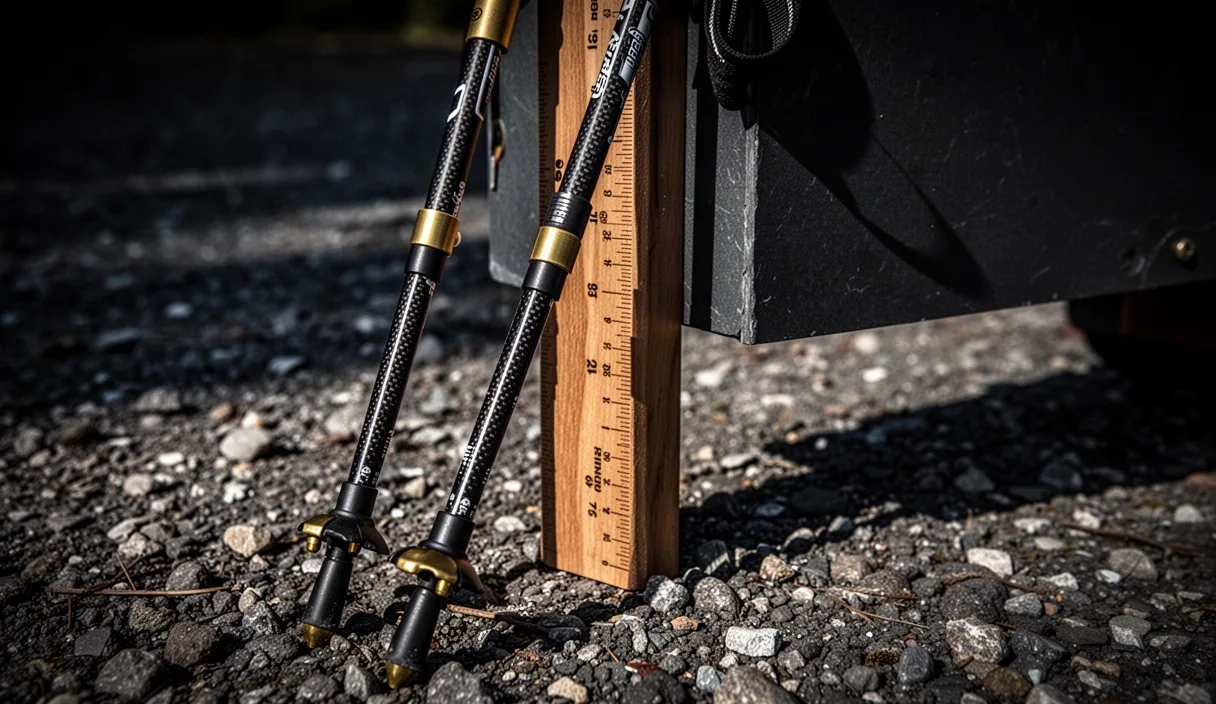
Proper pole length ensures optimal shoulder extension without placing adverse torque on the elbow joint. This guide details the formula calculation and physical checks required for an accurate fit.
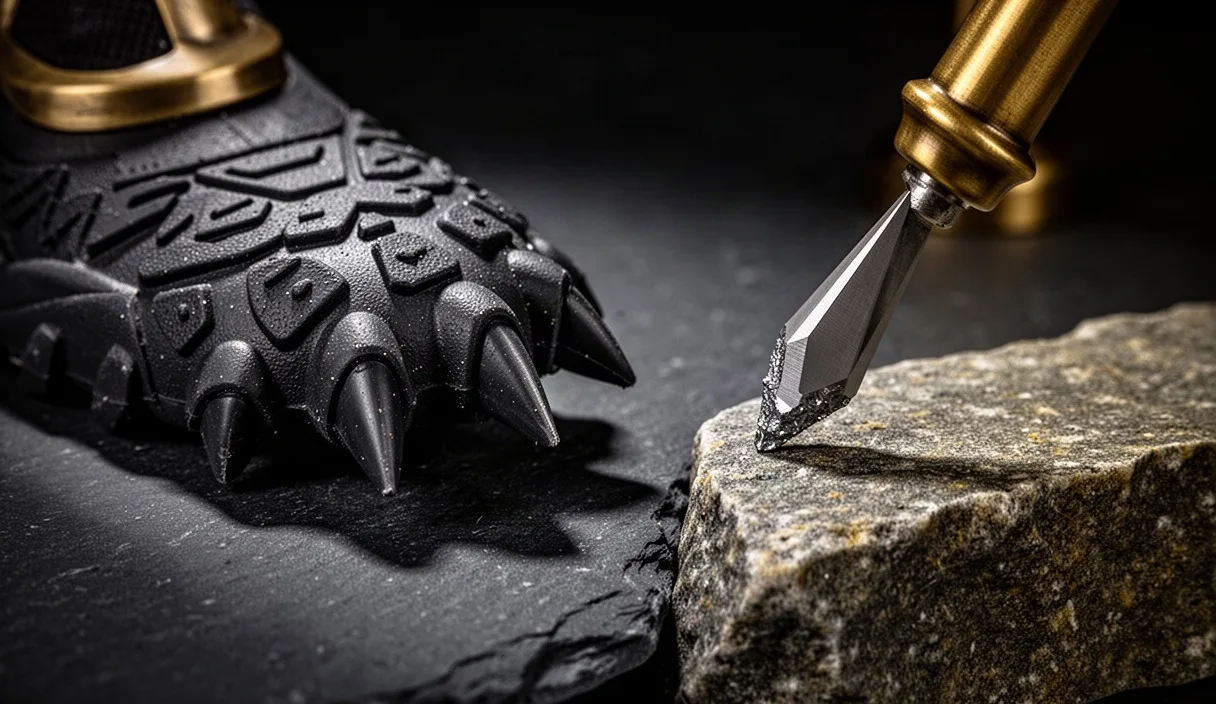
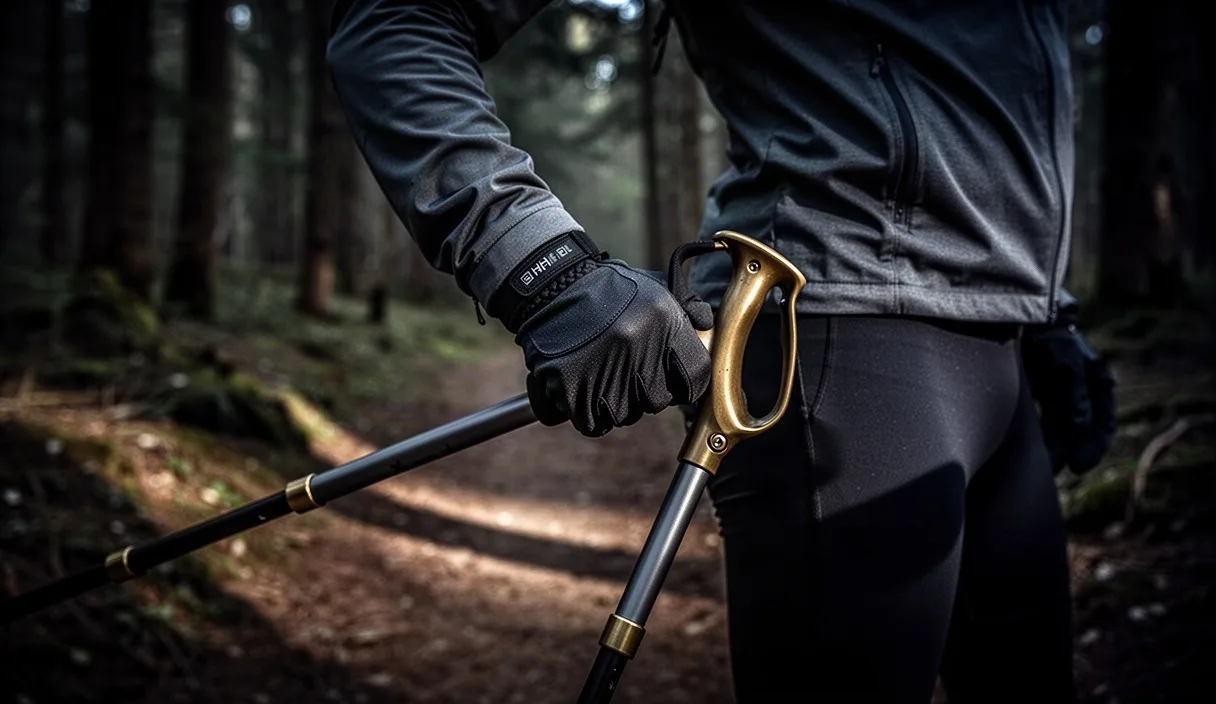
Selecting the correct tip material prevents slipping and dampens vibration through the wrist. Learn when to deploy angled rubber paws and when to expose bare metal points.
Opening the hand behind the hip allows full extension without excessive grip fatigue. This article breaks down the timing of the release strap during active propulsion.
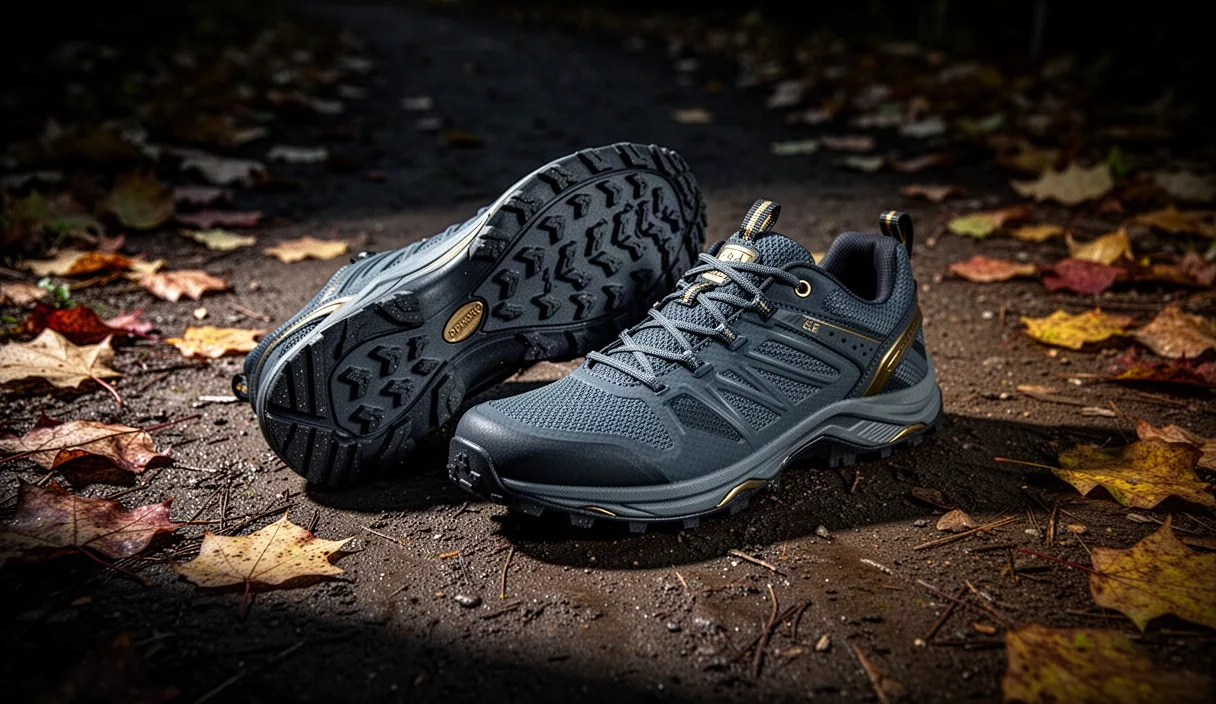
Nordic walking requires specific heel-to-toe roll mechanics distinct from running or rigid mountaineering. We evaluate sole flexibility, drop heights, and torsional stiffness.
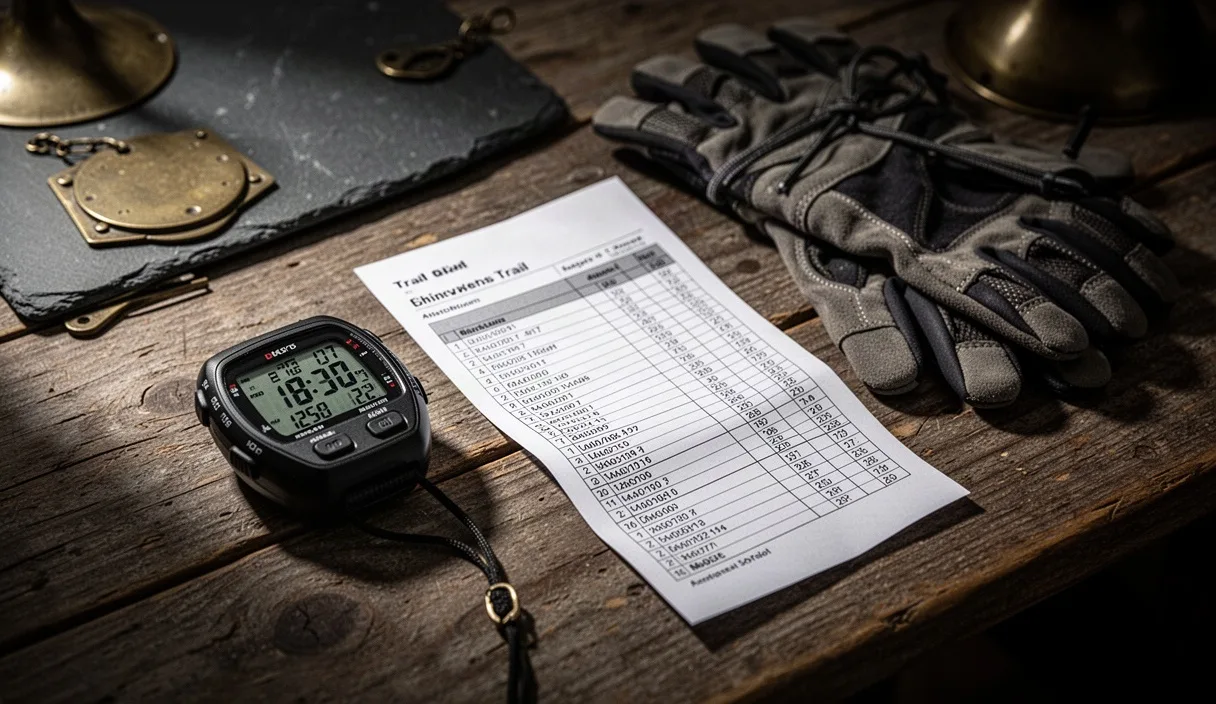
Pacing with poles alters metabolic expenditure compared to standard walking. This text explains how to measure rate of perceived exertion and stride frequency accurately.
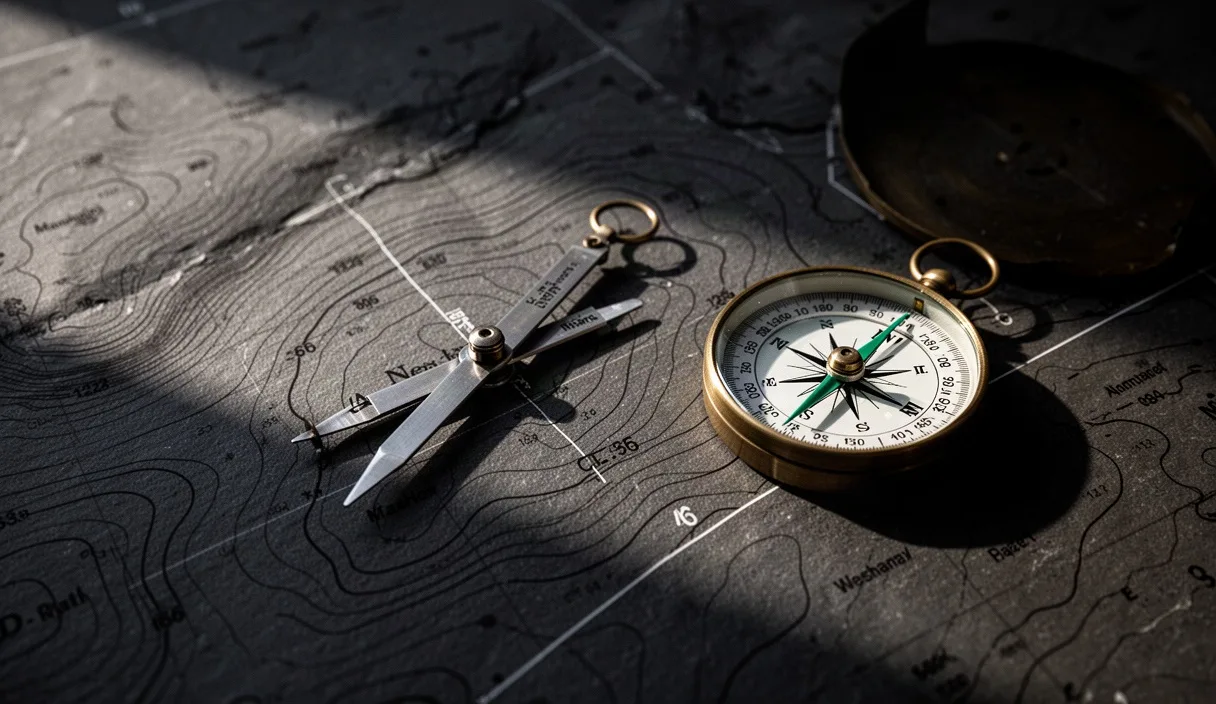
Contour intervals indicate grade changes that directly influence walking speed. Use these cartographic methods to plan realistic route timelines on public paths.
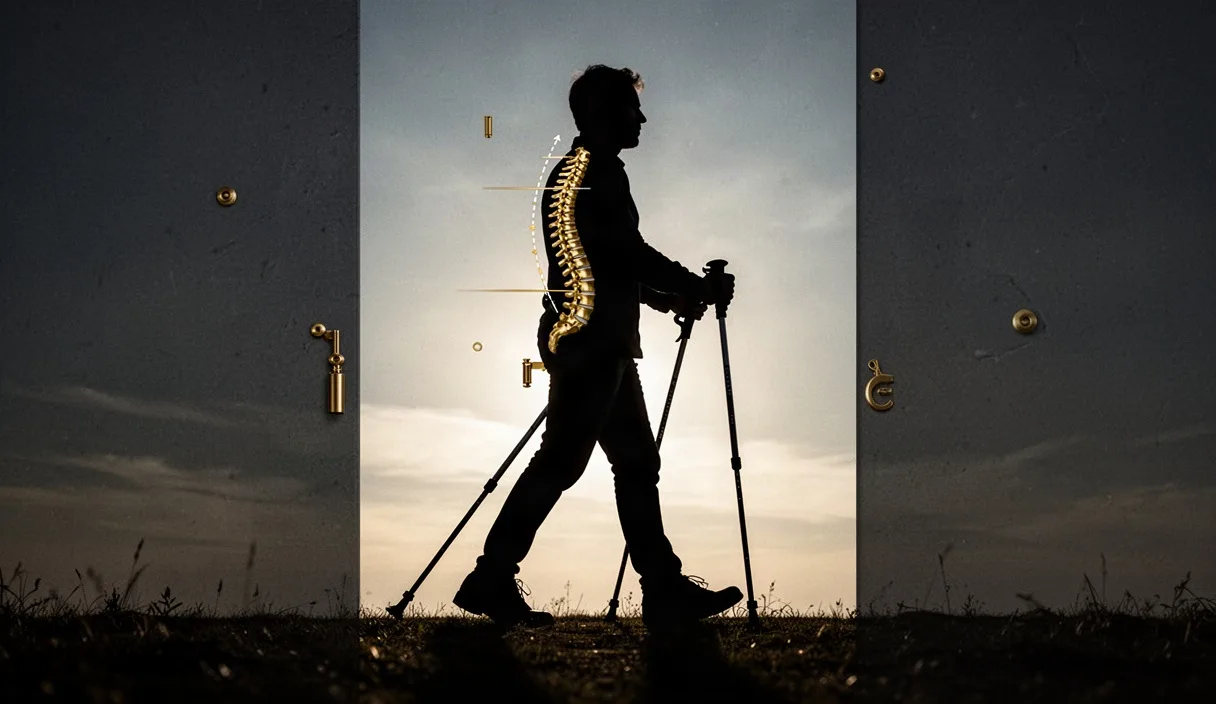
Excessive forward bending strains the lumbar spine while diminishing pole planting power. Review corrective drills to maintain axial spine alignment throughout your stride.
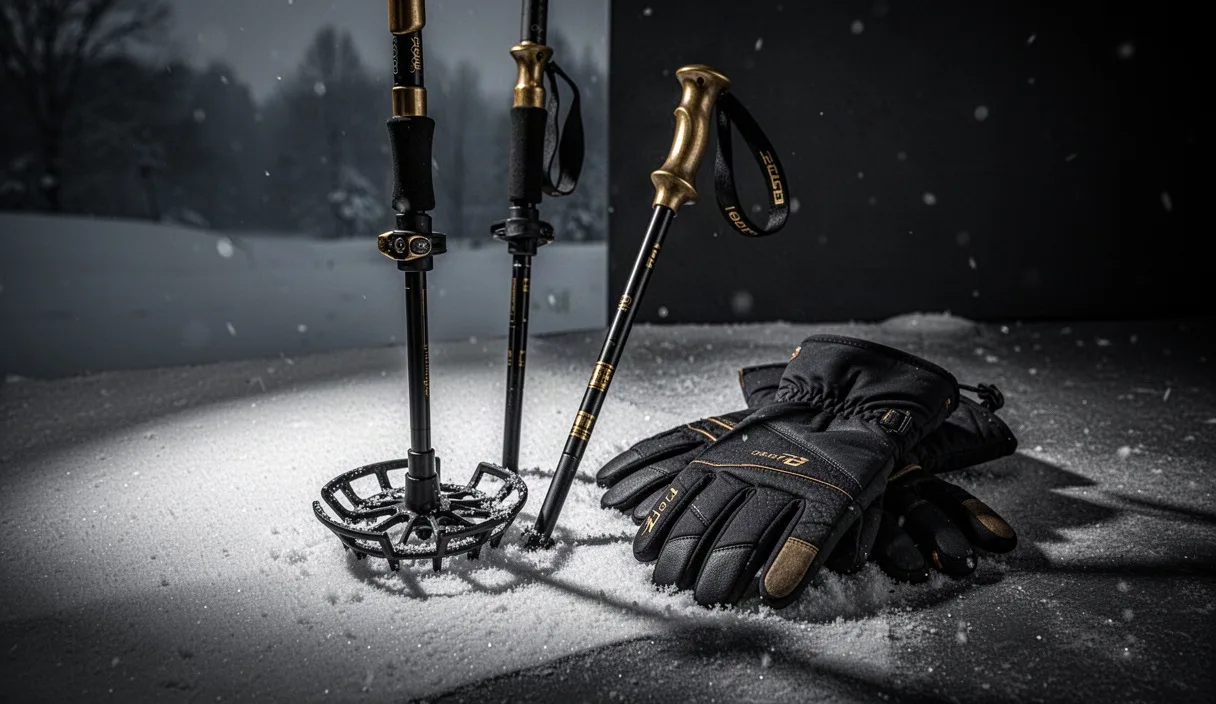
Sub-zero temperatures alter rubber paw elasticity and internal shaft locking mechanisms. Discover maintenance steps and glove systems built for winter conditions.
Active thoracic rotation is necessary to execute clean Nordic walking arm swings. Implement this eight-minute mobility sequence prior to loading your poles.
Substrate variance changes friction coefficients and alters pole placement stability. This article provides technical adjustments for three common outdoor trail textures.