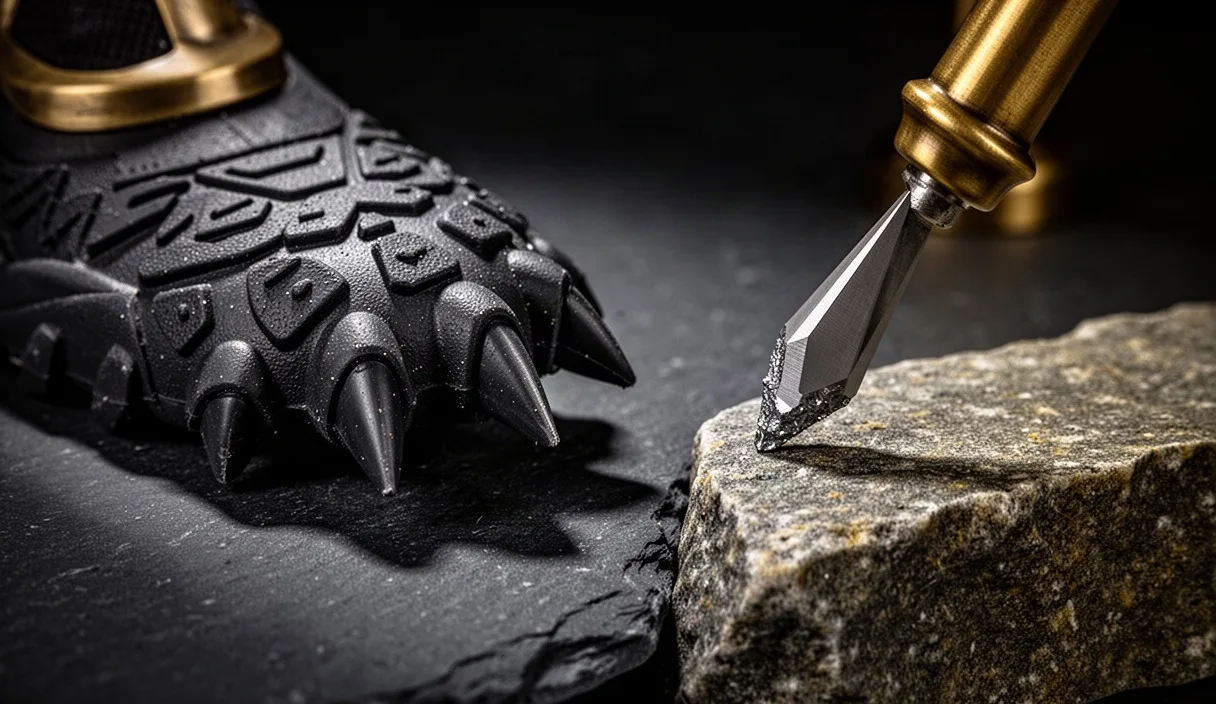
Pavement Paws Versus Carbide Tips on Varied Surfaces
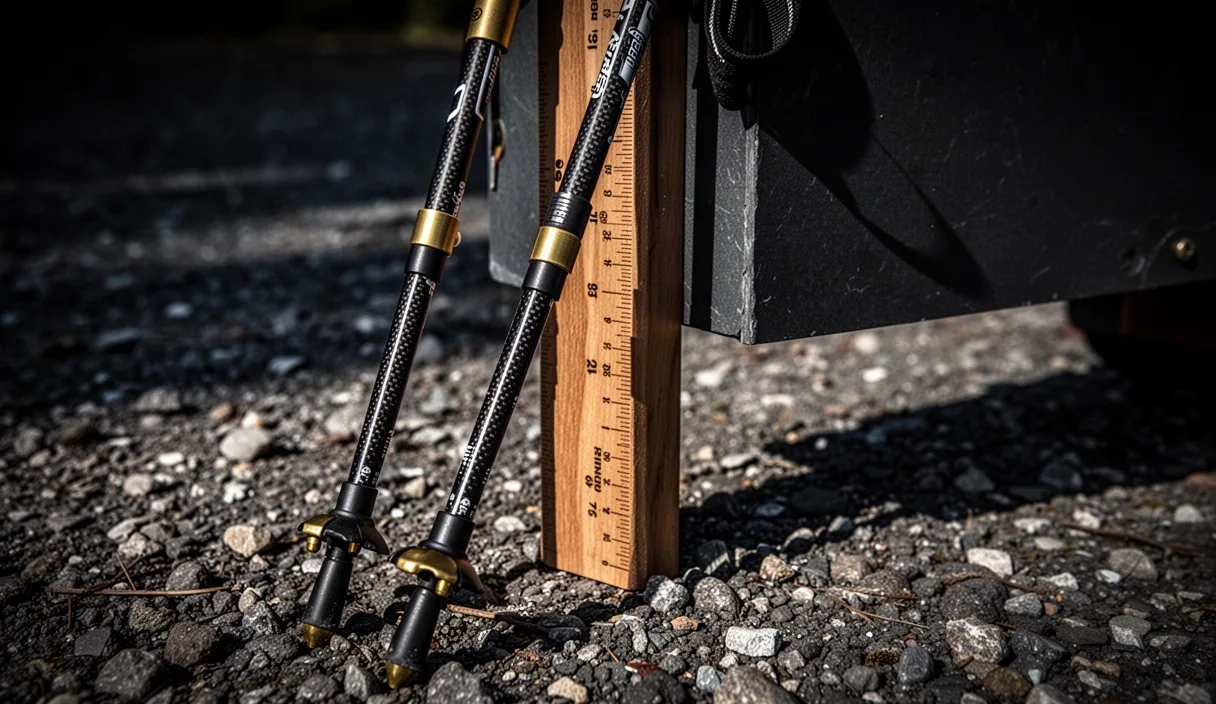
Selecting the correct tip material prevents slipping and dampens vibration through the wrist. Learn when to deploy angled rubber paws and when to expose bare metal points.
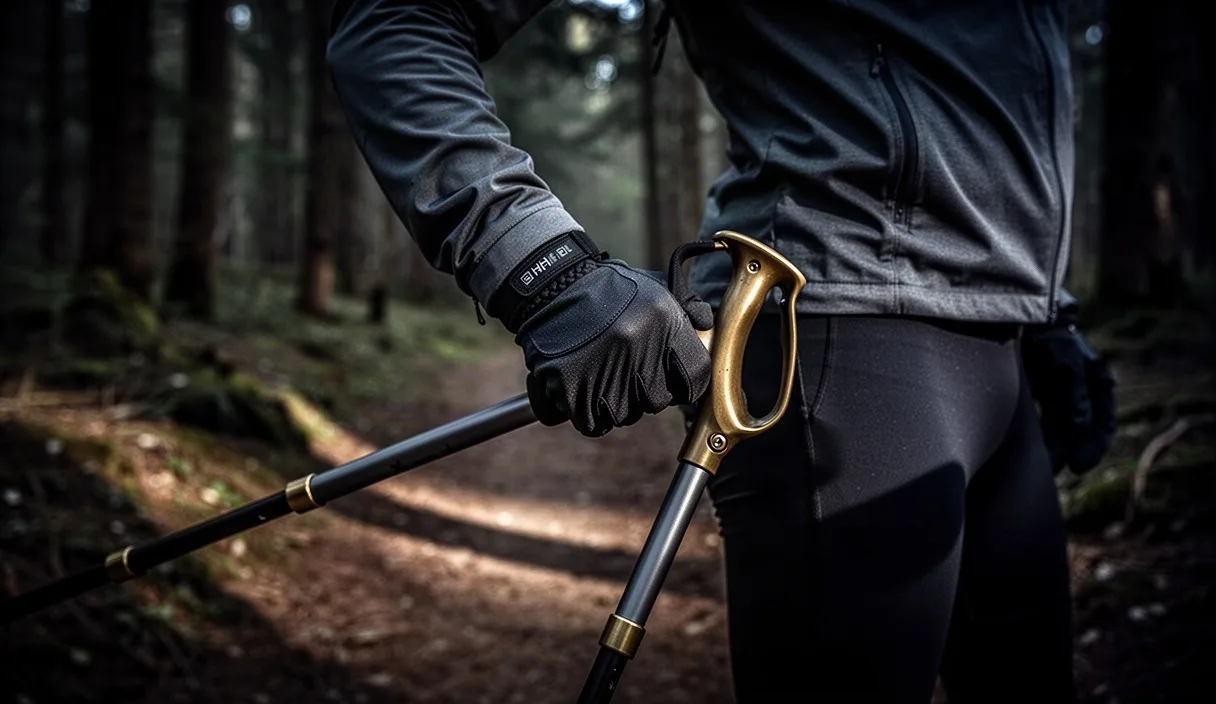
Opening the hand behind the hip allows full extension without excessive grip fatigue. This article breaks down the timing of the release strap during active propulsion.
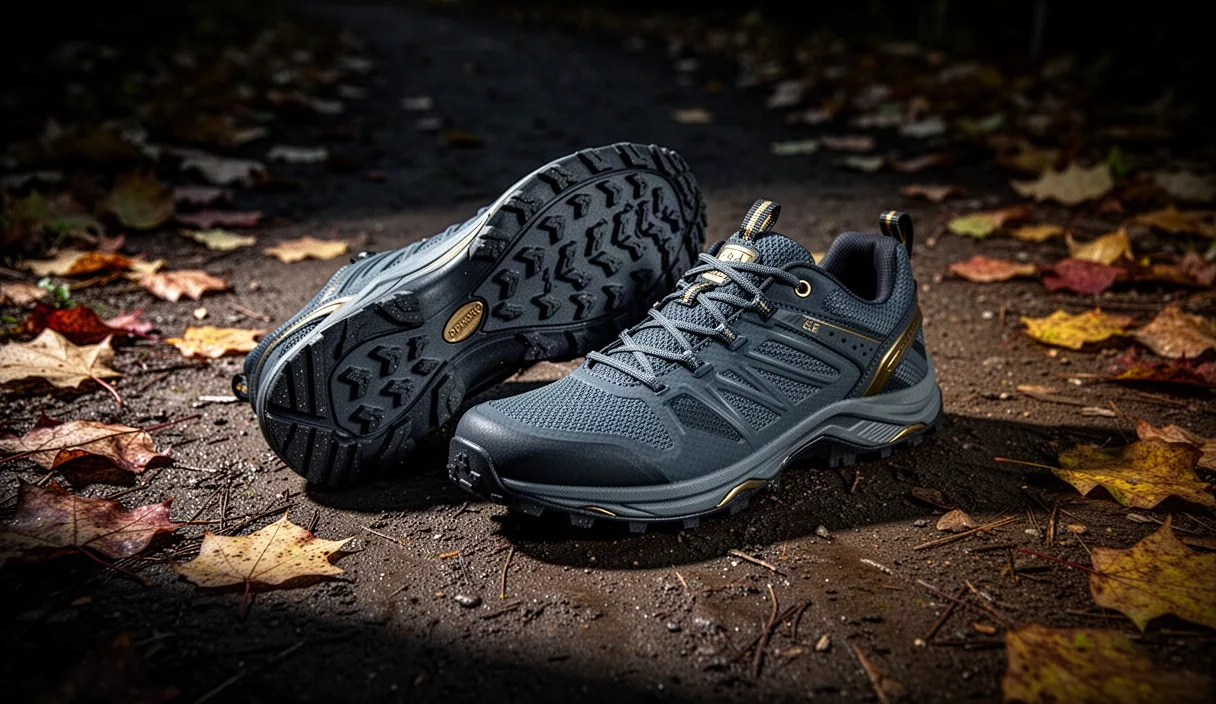
Nordic walking requires specific heel-to-toe roll mechanics distinct from running or rigid mountaineering. We evaluate sole flexibility, drop heights, and torsional stiffness.
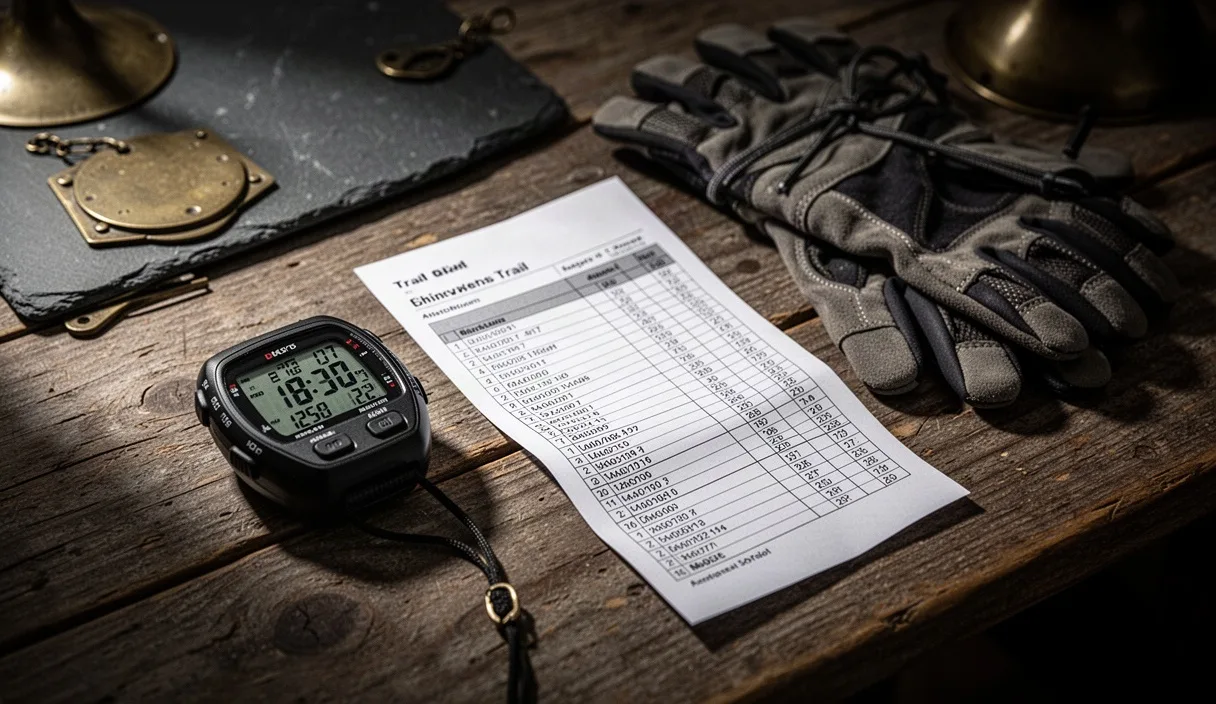
Pacing with poles alters metabolic expenditure compared to standard walking. This text explains how to measure rate of perceived exertion and stride frequency accurately.
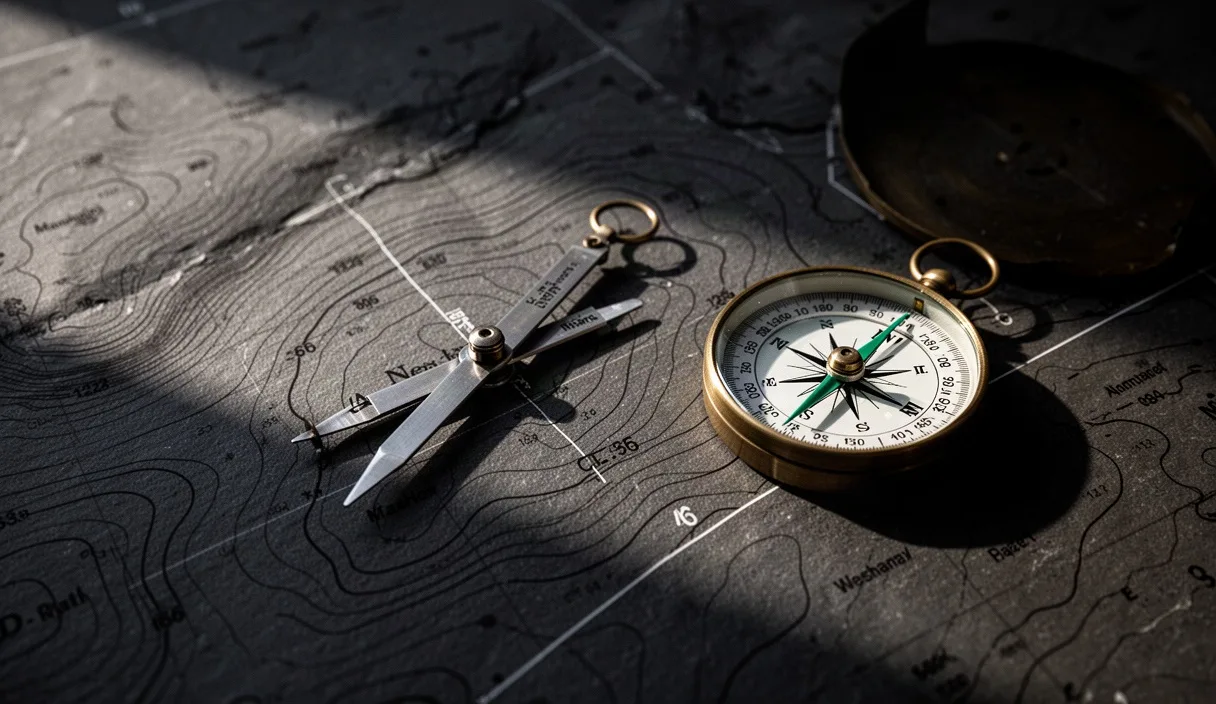
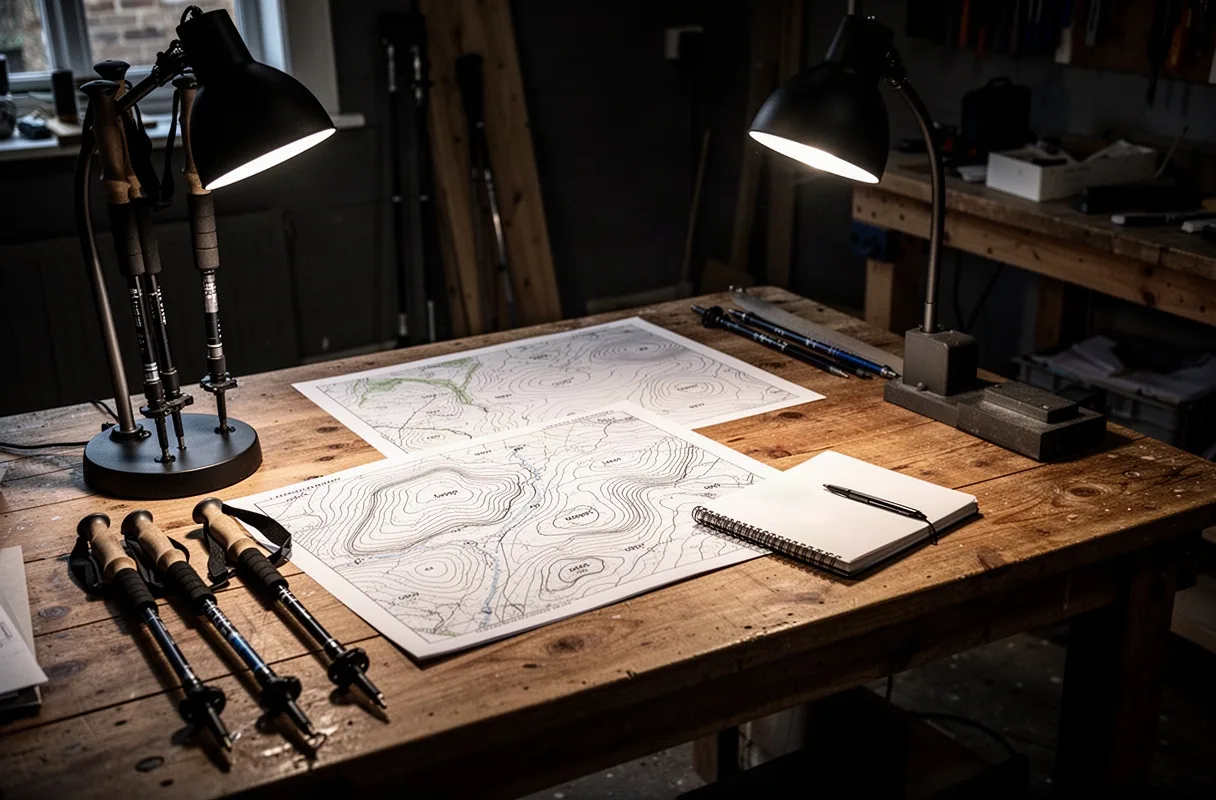
Contour intervals indicate grade changes that directly influence walking speed. Use these cartographic methods to plan realistic route timelines on public paths.
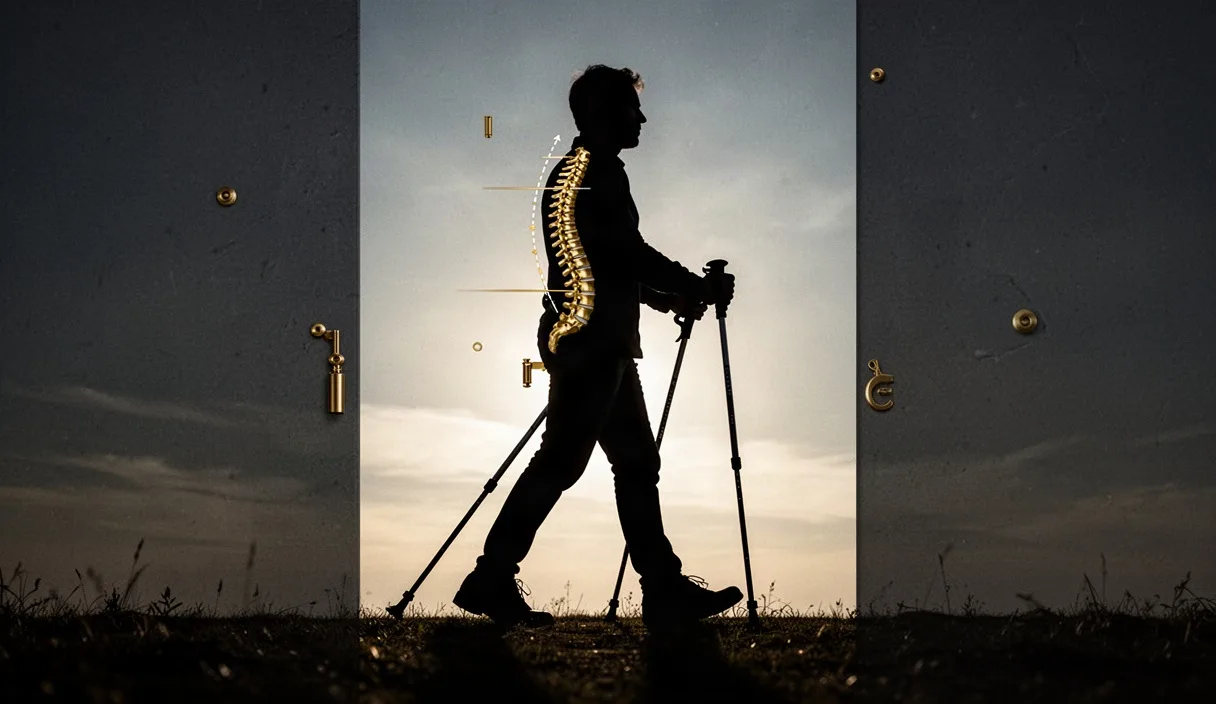
Excessive forward bending strains the lumbar spine while diminishing pole planting power. Review corrective drills to maintain axial spine alignment throughout your stride.

Objective assessments of poles, paw grips, footwear, and apparel upkeep.
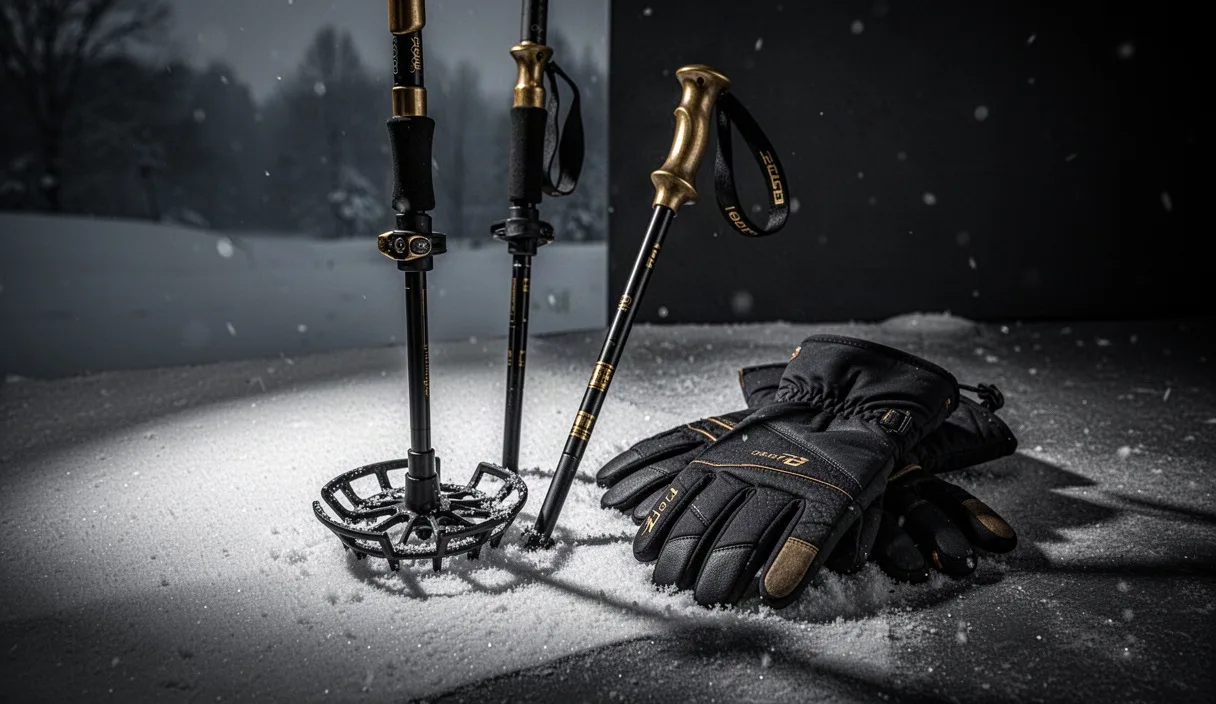
Sub-zero temperatures alter rubber paw elasticity and internal shaft locking mechanisms. Discover maintenance steps and glove systems built for winter conditions.
Selecting the correct tip material prevents slipping and dampens vibration through the wrist. Learn when to deploy angled rubber paws and when to expose bare metal points.
Nordic walking requires specific heel-to-toe roll mechanics distinct from running or rigid mountaineering. We evaluate sole flexibility, drop heights, and torsional stiffness.
Every trail description is drawn from on-site notes recorded along Norfolk tracks.
We examine strap release systems and locking cams using clear mechanical tests.
Reports identify flint gravel, chalk base, tarmac, and soft turf composition plainly.
Our written evaluations remain entirely independent of equipment manufacturer sponsorships.
Nordic walking poles feature an angled paw tip for hard surfaces and a harness-style wrist strap that allows the hand to release the grip during the backward push. Hiking poles rely on simple loop straps and upright downward weighting for load-bearing on steep descents.
Our writers walk each path in person from Norwich or surrounding trailheads, recording public rights of way status, physical obstructions, gate types, and surface changes using handheld instruments.
You can notify the editorial team through our contact page. We investigate all route notes, gate closures, or path changes within 30 days of receipt and issue revisions to the online guide.
No. Norfolk Stride is an independent editorial publication. We purchase walking equipment anonymously for physical inspection or review items under strict non-influence agreements.
Norfolk Stride is produced by field instructors, route planners, and biomechanics researchers for individuals who practice fitness walking. We evaluate equipment and navigation techniques through empirical field trials without commercial sponsorship. All recommendations undergo review by certified walking coaches prior to publication.
About usSend technical questions, trail correction reports, or subject suggestions directly to our editors. We verify trail conditions and gear updates based on field reports.